# **When Best Optometrist in Khanewal Recommends Prescription Glasses 2026?**
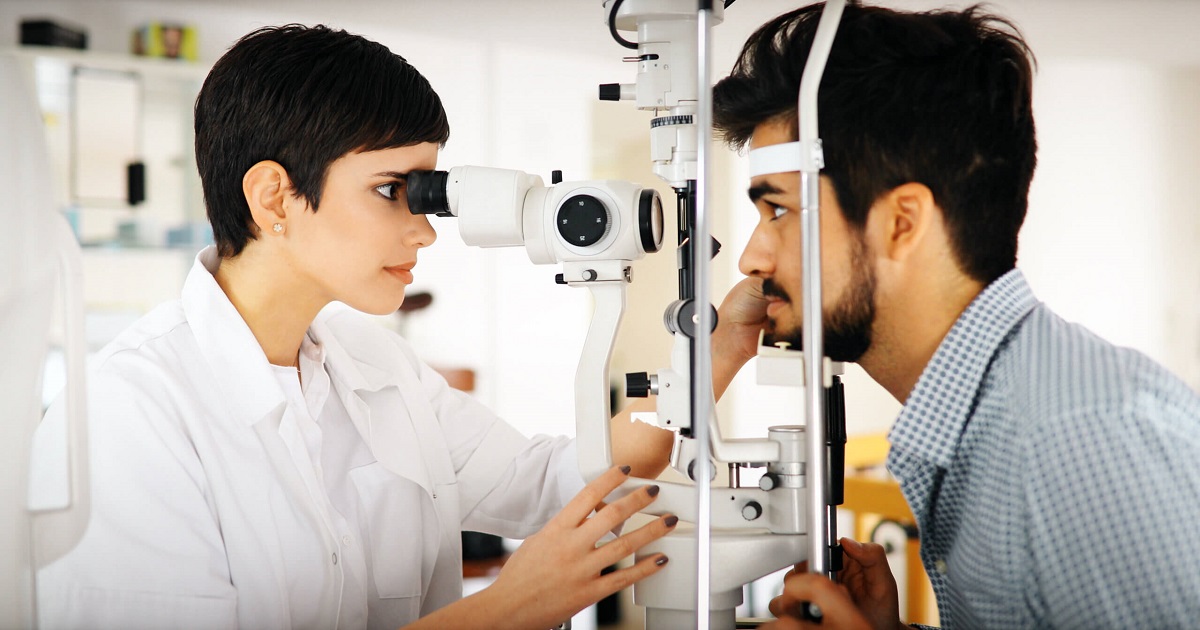
Visiting the Best Optometrist in Khanewal is one of the smartest steps you can take when your vision starts affecting your daily life. Clear eyesight plays a vital role in education, work, driving, and overall well-being. In 2026, modern eye examinations make it easier than ever to detect vision problems early and provide accurate prescription glasses that improve comfort and visual clarity. Many people are unsure when they actually need glasses, which is why regular eye checkups are so important.
The ***[Best Optometrist in Khanewal](https://www.zafarlasereyeclinic.com/services/astigmatism/)*** recommends prescription glasses only after a thorough eye examination that evaluates your vision, eye health, and lifestyle needs. Whether you experience blurred vision, headaches, eye strain, or difficulty reading, wearing the correct prescription can significantly improve your quality of life. Understanding when glasses are recommended and how they benefit your eyes will help you make informed decisions about your long-term vision care.
### **Understanding the Role of an Optometrist**
An optometrist is a primary eye care professional who examines the eyes, identifies vision problems, prescribes corrective lenses, and monitors overall eye health. Regular visits to an optometrist help detect common refractive errors as well as early signs of eye diseases that may require specialized treatment.
Modern eye examinations involve much more than reading letters on a vision chart. Advanced diagnostic equipment measures the eye's focusing ability, evaluates eye coordination, checks eye pressure, and assesses the health of the retina and optic nerve. These detailed assessments ensure that every prescription is tailored to the individual patient.
In 2026, eye care technology allows optometrists to diagnose vision issues with greater accuracy, leading to better treatment outcomes and improved visual comfort.
### **Why Prescription Glasses Are Still Important in 2026**
Despite advancements in contact lenses and laser vision correction, prescription glasses remain one of the safest and most effective methods of correcting refractive errors. They provide immediate visual improvement without surgery and are suitable for patients of all ages.
Prescription glasses can help reduce eye strain caused by prolonged screen use, improve reading comfort, and enhance distance vision for driving and outdoor activities. They are also easy to update whenever a person's vision changes.
For many individuals, glasses are not only a vision correction tool but also a practical solution that supports daily productivity and protects long-term eye health.
### **Common Signs That You May Need Prescription Glasses**
Many people live with vision problems without realizing that their eyesight has gradually changed. An optometrist usually recommends prescription glasses when patients experience symptoms that interfere with everyday activities.
Blurred vision while reading, difficulty recognizing distant objects, frequent headaches, squinting, eye fatigue, and trouble focusing between near and far distances are among the most common signs. Some people also notice increased sensitivity to light or difficulty seeing clearly at night.
Children may struggle academically if undiagnosed vision problems make it difficult to read classroom materials or see the board clearly. Adults may experience reduced work performance because of constant eye strain.
Recognizing these symptoms early allows timely correction and helps prevent unnecessary discomfort.
### **Nearsightedness and Prescription Glasses**
Nearsightedness, also known as myopia, is one of the most common reasons people need glasses. Individuals with myopia can usually see nearby objects clearly but have difficulty seeing objects at a distance.
Students often notice problems reading classroom boards, while adults may struggle to recognize road signs or distant faces. Prescription glasses correct the way light enters the eye, allowing distant objects to appear sharp and clear.
As myopia can progress over time, regular eye examinations ensure that prescriptions remain accurate.
### **Farsightedness and Vision Correction**
Farsightedness, or hyperopia, affects the ability to focus on nearby objects. Although younger individuals may compensate for mild hyperopia, symptoms often become more noticeable with age.
Patients may experience headaches after reading, eye strain during computer work, or difficulty focusing on close tasks. Prescription glasses help reduce this effort by allowing the eyes to focus more naturally.
An updated prescription improves reading comfort and reduces visual fatigue during extended periods of close work.
### **Astigmatism and Clearer Vision**
Astigmatism occurs when the cornea or lens has an irregular shape, causing light to focus unevenly inside the eye. This results in blurred or distorted vision at various distances.
Many individuals with astigmatism experience headaches, eye strain, or difficulty driving at night because lights appear stretched or blurry.
Specially designed prescription lenses compensate for the irregular curvature of the eye, producing clearer and more comfortable vision.
Modern diagnostic equipment allows optometrists to measure astigmatism with remarkable precision.
### **Reading Glasses for Age-Related Vision Changes**
As people grow older, the natural lens inside the eye gradually loses flexibility. This condition, known as presbyopia, usually becomes noticeable after the age of forty.
Patients often find themselves holding books or mobile phones farther away to read clearly. Reading in dim light may also become more difficult.
Prescription reading glasses restore comfortable near vision, allowing individuals to enjoy reading, writing, sewing, and other close-up activities without unnecessary strain.
Progressive lenses have become increasingly popular because they provide clear vision at multiple distances without visible dividing lines.
### **Eye Examinations Before Prescribing Glasses**
A professional eye examination includes several important assessments before prescription glasses are recommended.
Visual acuity testing measures how clearly the patient sees at different distances. Refraction testing determines the precise lens power needed to correct vision. Eye muscle function and focusing ability are also evaluated.
The optometrist carefully examines the health of the cornea, retina, optic nerve, and lens to ensure there are no underlying medical conditions affecting vision.
Only after completing these evaluations does the optometrist prescribe glasses that match the patient's individual visual needs.
### **Prescription Glasses for Children**
Children often cannot recognize that their vision is abnormal because they assume everyone sees the world the same way.
Regular eye examinations are especially important during the early school years. Undiagnosed vision problems can affect reading ability, classroom performance, and overall confidence.
Prescription glasses help children participate fully in learning, sports, and social activities by providing clear and comfortable vision.
Parents should arrange routine eye checkups even if their child has not complained about vision problems.
### **Digital Eye Strain and Computer Glasses**
Modern lifestyles involve prolonged use of computers, smartphones, and tablets. Extended screen time can lead to digital eye strain, causing tired eyes, headaches, blurred vision, and neck discomfort.
An optometrist may recommend specially designed prescription glasses for computer work. These lenses improve focusing at screen distance and may include coatings that reduce glare from digital devices.
Combining appropriate eyewear with healthy screen habits helps maintain comfortable vision throughout the working day.
### **Importance of Wearing the Correct Prescription**
Wearing outdated or incorrect prescription glasses can create unnecessary visual discomfort. Some people continue using old prescriptions for years without realizing their eyesight has changed.
Incorrect lenses may contribute to headaches, eye strain, reduced productivity, and difficulty driving safely.
Regular eye examinations ensure that prescriptions remain accurate and continue providing optimal visual performance.
Whenever noticeable changes in vision occur, a new eye examination should be scheduled promptly.
### **Choosing the Right Eyeglass Lenses**
Modern eyeglass lenses are available in many different designs to suit individual needs.
Single-vision lenses correct either distance or near vision. Bifocal lenses provide separate viewing zones for different distances. Progressive lenses offer smooth transitions between near, intermediate, and distance vision without visible lines.
Additional coatings can improve lens durability by reducing scratches, minimizing glare, and blocking harmful ultraviolet light.
The optometrist recommends the most suitable lens design based on the patient's lifestyle and visual requirements.
### **Lifestyle Factors That Influence Glasses Recommendations**
Every patient has unique visual demands. Students often require lenses that support prolonged reading and digital learning. Office workers may benefit from computer-specific prescriptions that reduce screen-related eye strain.
Drivers require excellent distance vision, particularly during nighttime travel. Older adults may need progressive lenses that provide clear vision across multiple distances.
Sports enthusiasts may also benefit from specialized prescription eyewear designed for active lifestyles.
By considering individual daily activities, optometrists provide customized vision solutions that improve comfort and performance.
### **Benefits of Regular Eye Checkups**
Routine eye examinations provide benefits beyond updating prescriptions.
Many serious eye diseases develop gradually without noticeable symptoms during their early stages. Conditions such as glaucoma, diabetic retinopathy, and retinal disorders may be detected during comprehensive eye examinations before permanent vision loss occurs.
Early diagnosis allows timely treatment, improving long-term outcomes and protecting overall eye health.
Scheduling regular visits with an optometrist remains one of the most effective ways to preserve healthy vision throughout life.
### **The Future of Vision Care in Pakistan**
Eye care continues to advance through improved diagnostic equipment, digital imaging systems, and personalized treatment approaches.
The Best Optometrist in Khanewal recommends prescription glasses after conducting a detailed eye examination that evaluates both vision and overall eye health. Whether you experience blurred vision, headaches, difficulty reading, or digital eye strain, the right prescription can greatly improve your comfort and quality of life. Modern **[diagnostic technology](https://pad.riot-os.org/)** in 2026 allows optometrists to provide highly accurate prescriptions tailored to each patient's unique needs. By visiting the Best Optometrist in Khanewal regularly and updating your prescription when necessary, you can protect your eyesight, enjoy clearer vision, and maintain healthy eyes for years to come.
## **FAQs**
### **How often should I update my prescription glasses?**
Most adults should have an eye examination every one to two years or as advised by their optometrist.
### **Can children benefit from prescription glasses?**
Yes. Properly prescribed glasses can improve learning, reading ability, and overall visual development.
### **Are computer glasses different from regular glasses?**
Computer glasses are designed to provide comfortable vision at screen distance and help reduce digital eye strain.
### **Can wearing the wrong prescription damage my eyes?**
Incorrect prescriptions usually do not permanently damage the eyes but can cause headaches, blurred vision, and eye fatigue.
### **Why is a comprehensive eye examination important?**
A complete examination not only determines your prescription but also helps detect early signs of eye diseases before symptoms appear.